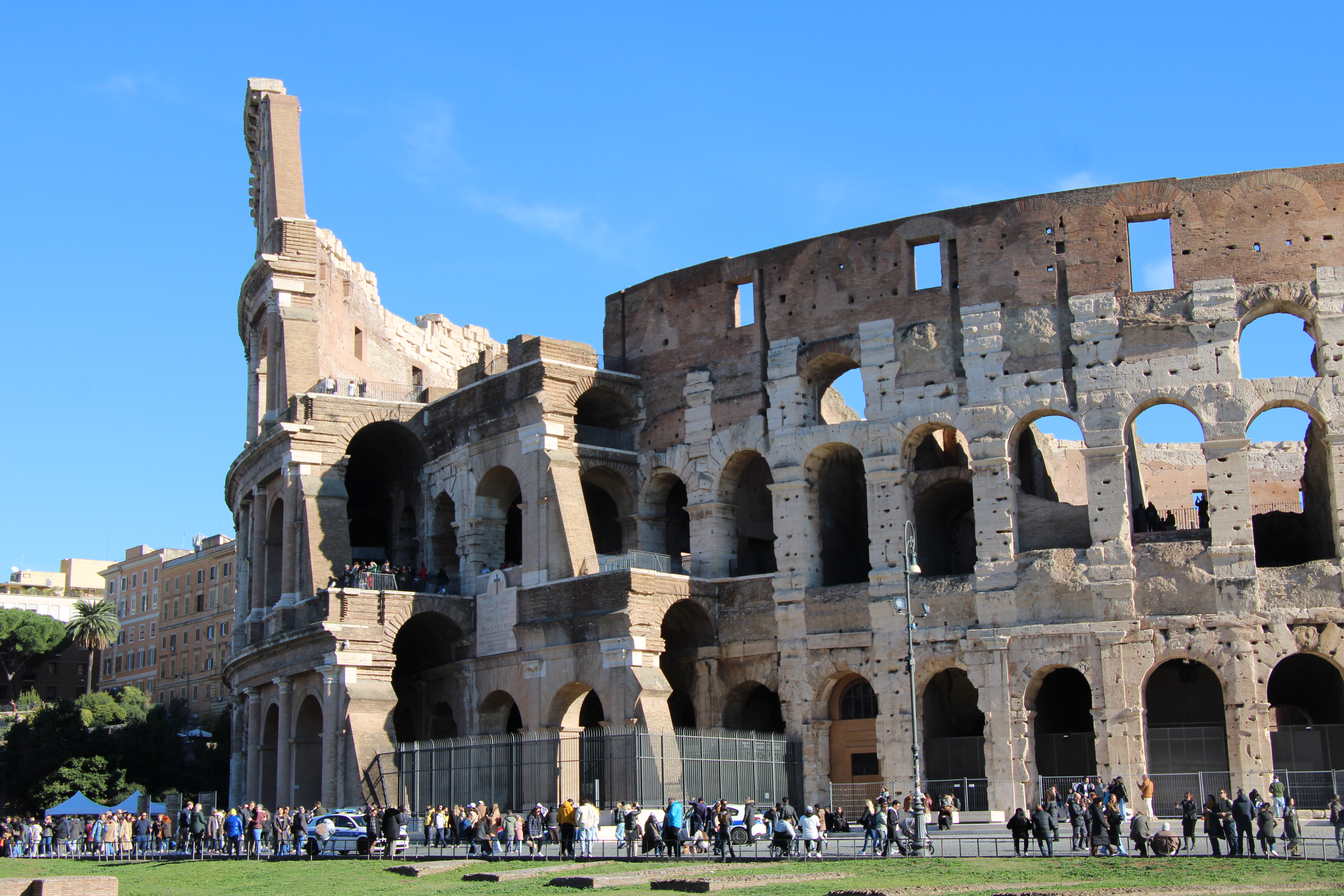
Planning & Booking Your Trip
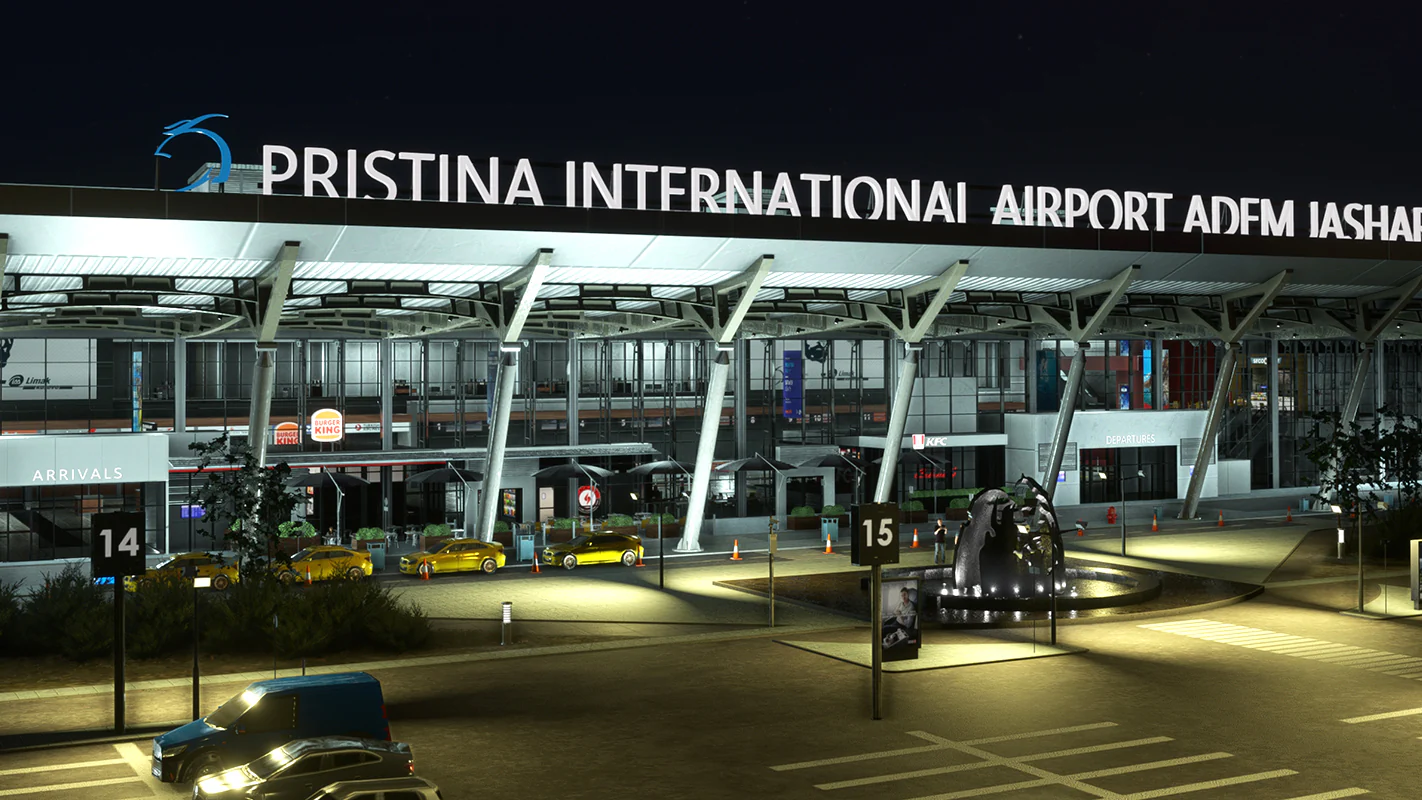
If you live in Kosovo, there's finally some good news—you can now fly directly to Rome several times a week. If those flights don't fit your schedule, there are also multiple daily flights from Tirana. You can book your flights directly through the airline's website or app (such as Wizz Air or Ryanair, depending on your departure airport), or use Skyscanner to compare airlines, prices, and travel dates to find the best option.
Where to Stay in Rome
If you're visiting Rome for the first time, I highly recommend booking accommodation near the Historic Center. You'll be within walking distance of many of the city's main attractions, making it easy to explore on foot. However, you'll have just as great an experience if you stay in Monti, the Spanish Steps area, near Roma Termini (the Central Station), Campitelli, Esquilino, or Trastevere. Prati is another excellent option if you'd like to stay close to the Vatican. Use: Booking.com or Airbnb for a safer and more reliable way to find accommodation.
The Easiest Ways to Reach Rome After Landing
I usually use the bus because it is the more budget-friendly option, costing around €4–€9 for a one-way ticket. It is quite convenient, as buses run approximately every 20 minutes and the journey takes around 40 minutes, depending on traffic. Several companies offer this service, with buses running until around midnight. However, if you prefer a faster and more convenient option, you can always take the train. The Leonardo Express costs around €14 for a one-way ticket and runs approximately every 15 minutes. I don't usually take taxis, but there are plenty available just outside the airport if you prefer a direct transfer. Both buses and trains arrive at Roma Termini (the Central Station), from where you can reach many of the districts mentioned above within a 15-minute walk. You can buy your tickets online before arriving, or simply purchase them at the airport—the price usually remains the same. One important thing to remember: always validate your ticket before boarding the train (and when required for other transport), as you can receive a fine during ticket inspections.
My Rome Itinerary: A Day-by-Day Map
It depends on what time you arrive in the city, but this itinerary works best if you have 3 to 4 full days to explore Rome. I have organized the places in a route order, so you can easily walk from one attraction to the next without wasting time going back and forth across the city.
Day 1: The Heart of Rome
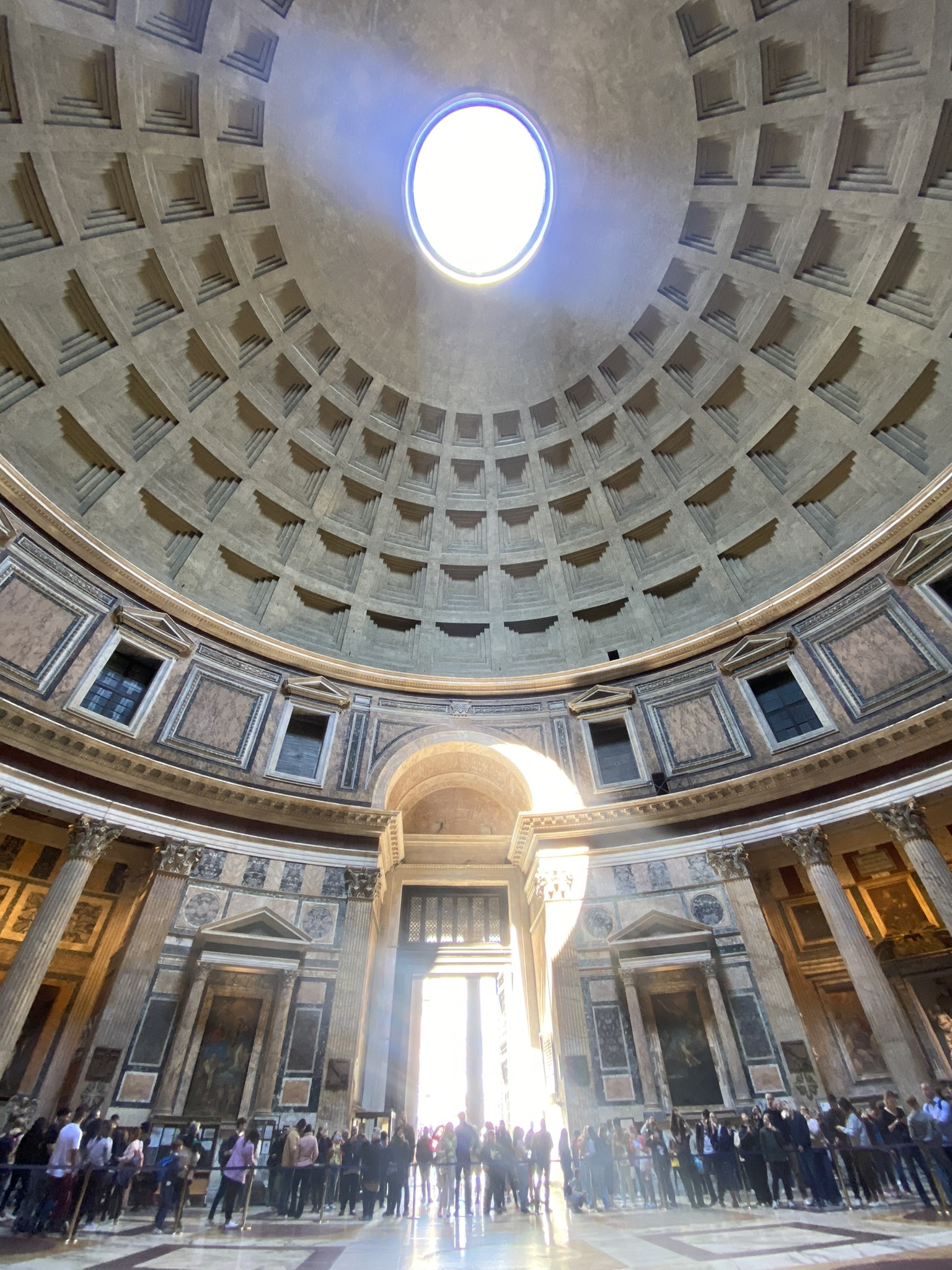
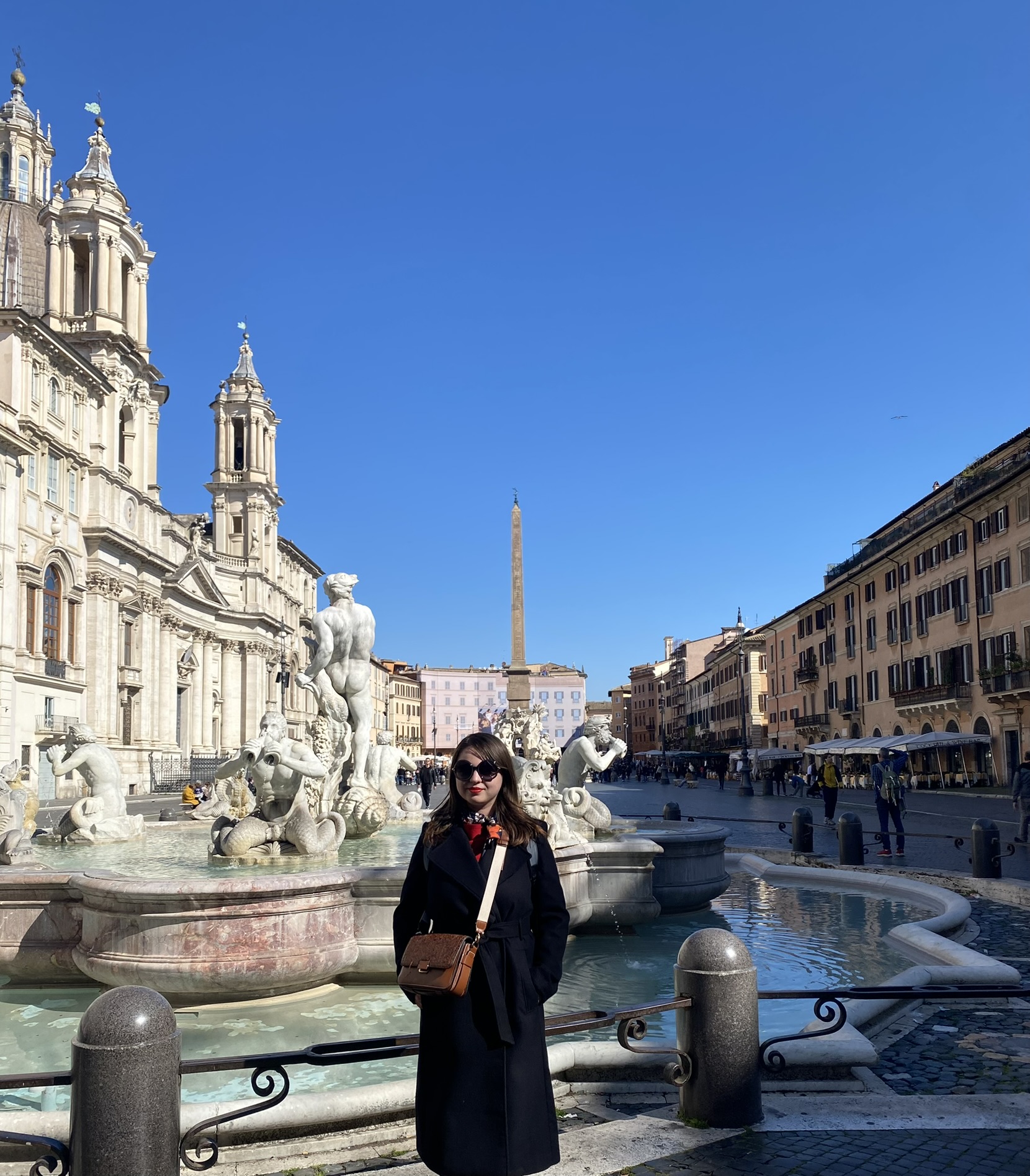
Start your day at Piazza Navona, one of Rome's most beautiful squares and a place you can visit completely free of charge. From there, walk towards the Pantheon, where you need a ticket (around €14) to enter and admire one of the best-preserved ancient Roman buildings. If you want to capture the famous viral photo in the mirror, make a quick stop at St. Ignatius Church, which is nearby. There is a small entrance fee if you want to explore the interior. By this point, you will probably be ready for a break. Luckily, this area has plenty of restaurants and cafés where you can enjoy a traditional Roman lunch or a drink while taking in the atmosphere.
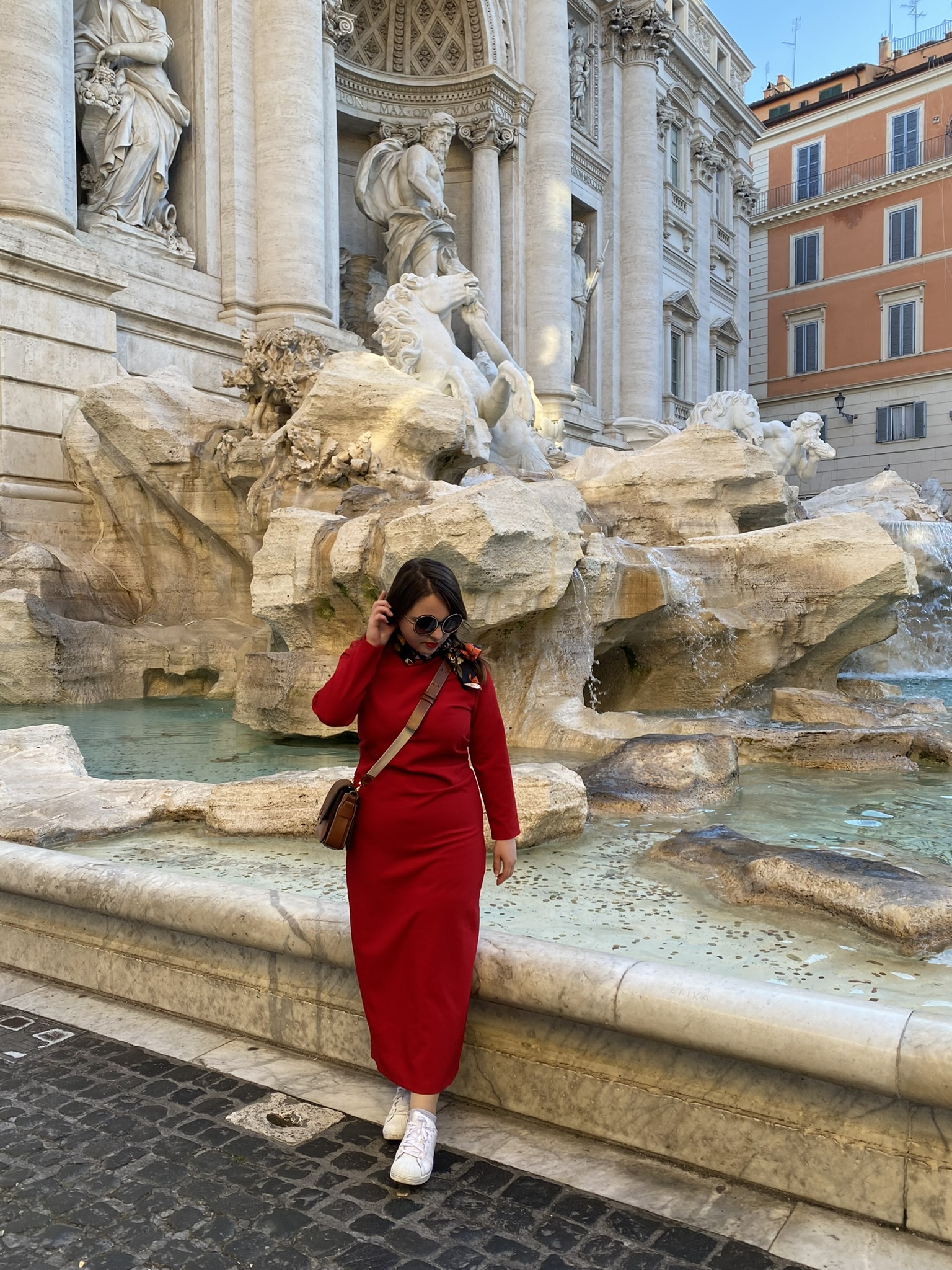
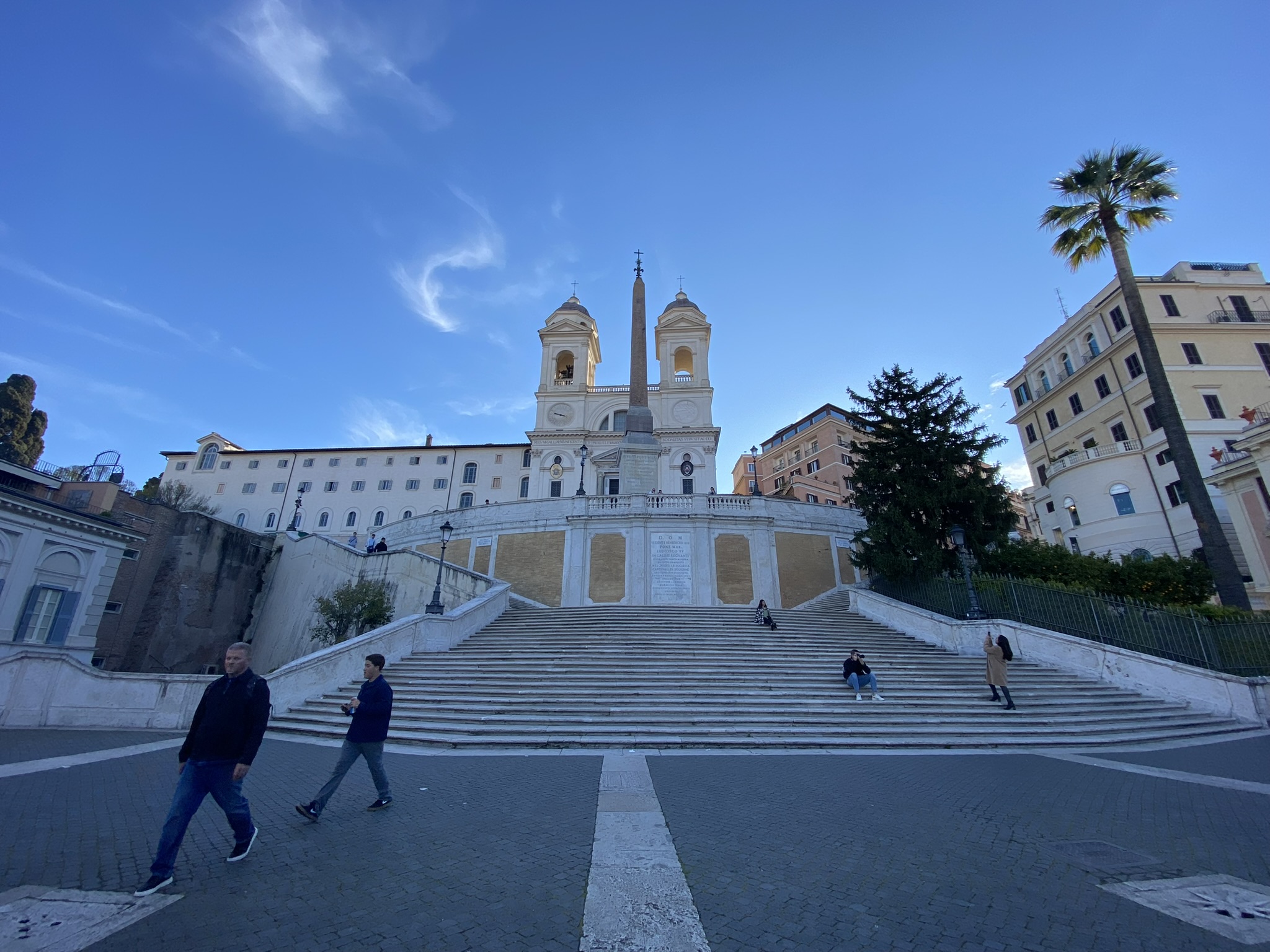
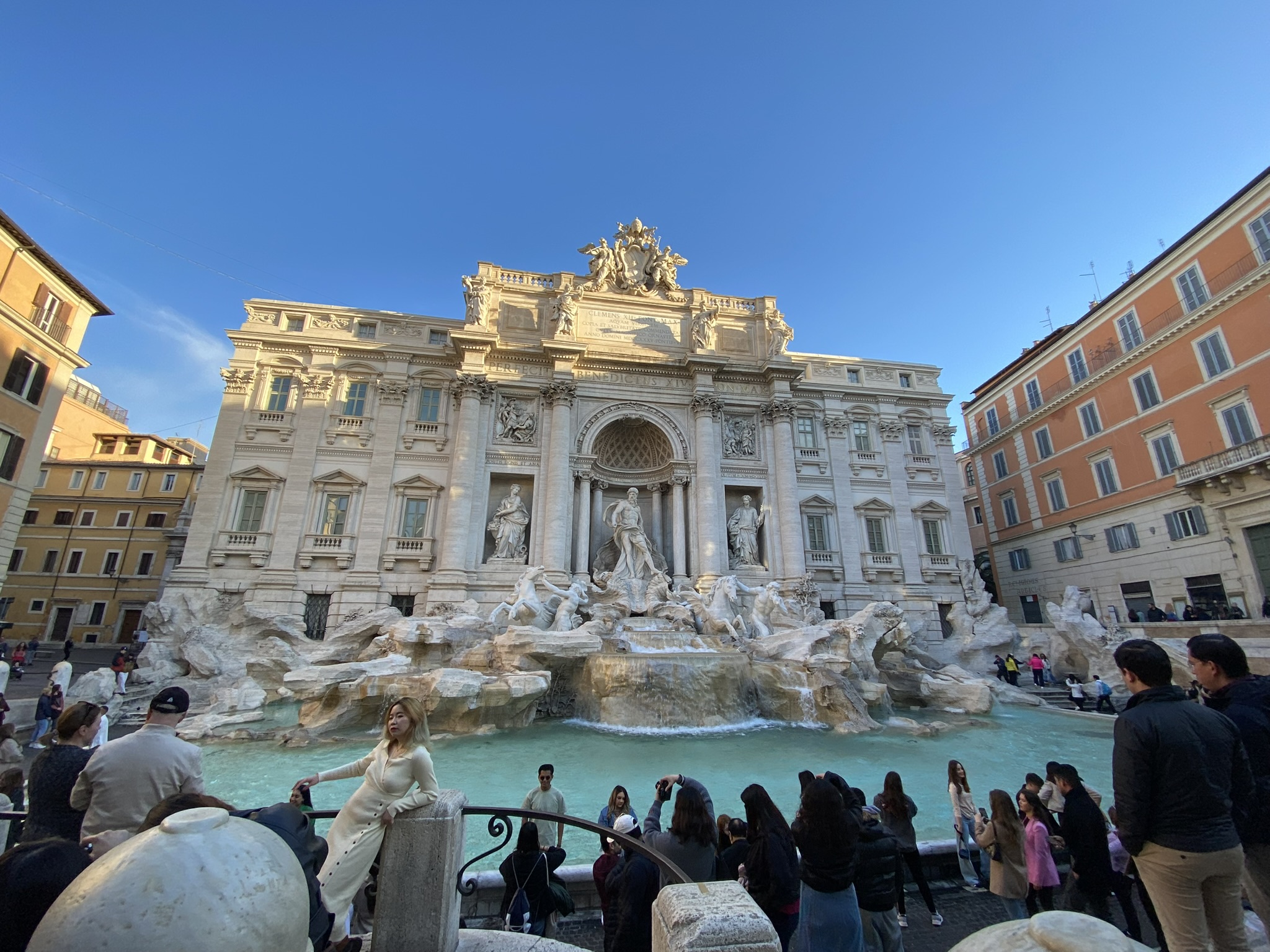
Continue your walk towards the Trevi Fountain (free), and then head to the Spanish Steps (free). This is the perfect area to stop for one of Rome's famous gelatos. From there, walk along Via del Corso, Rome's main shopping street, until you reach Piazza del Popolo. Take your time here and enjoy the beautiful architecture and the view.
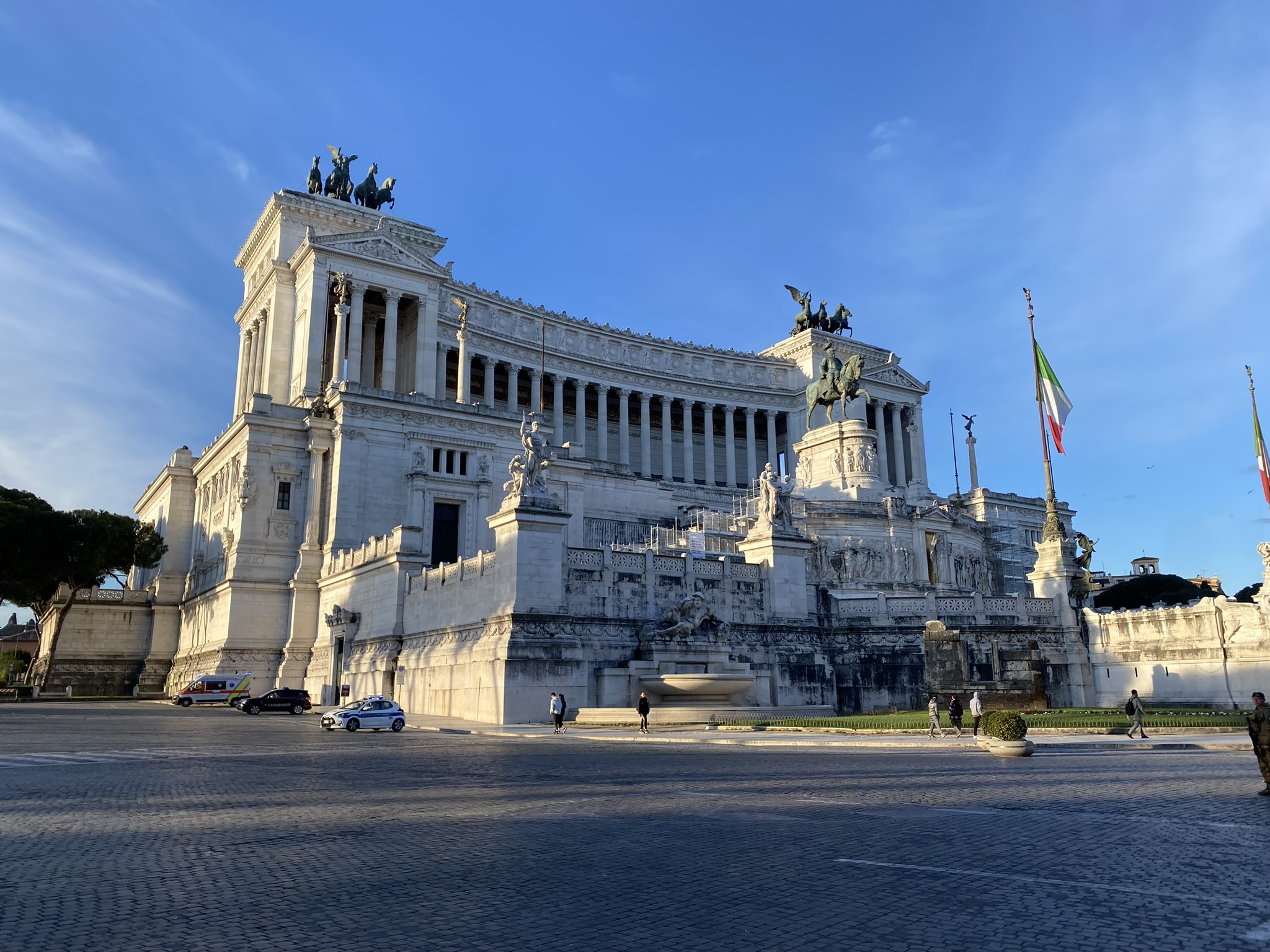
Finally, make your way back along the main road towards Piazza Venezia, where you can admire the impressive views of the city. After a full day of walking and exploring, I would end the day the Roman way: sitting in a nice restaurant, enjoying good food, wine, and the atmosphere of the city.
Day 2: Ancient Rome
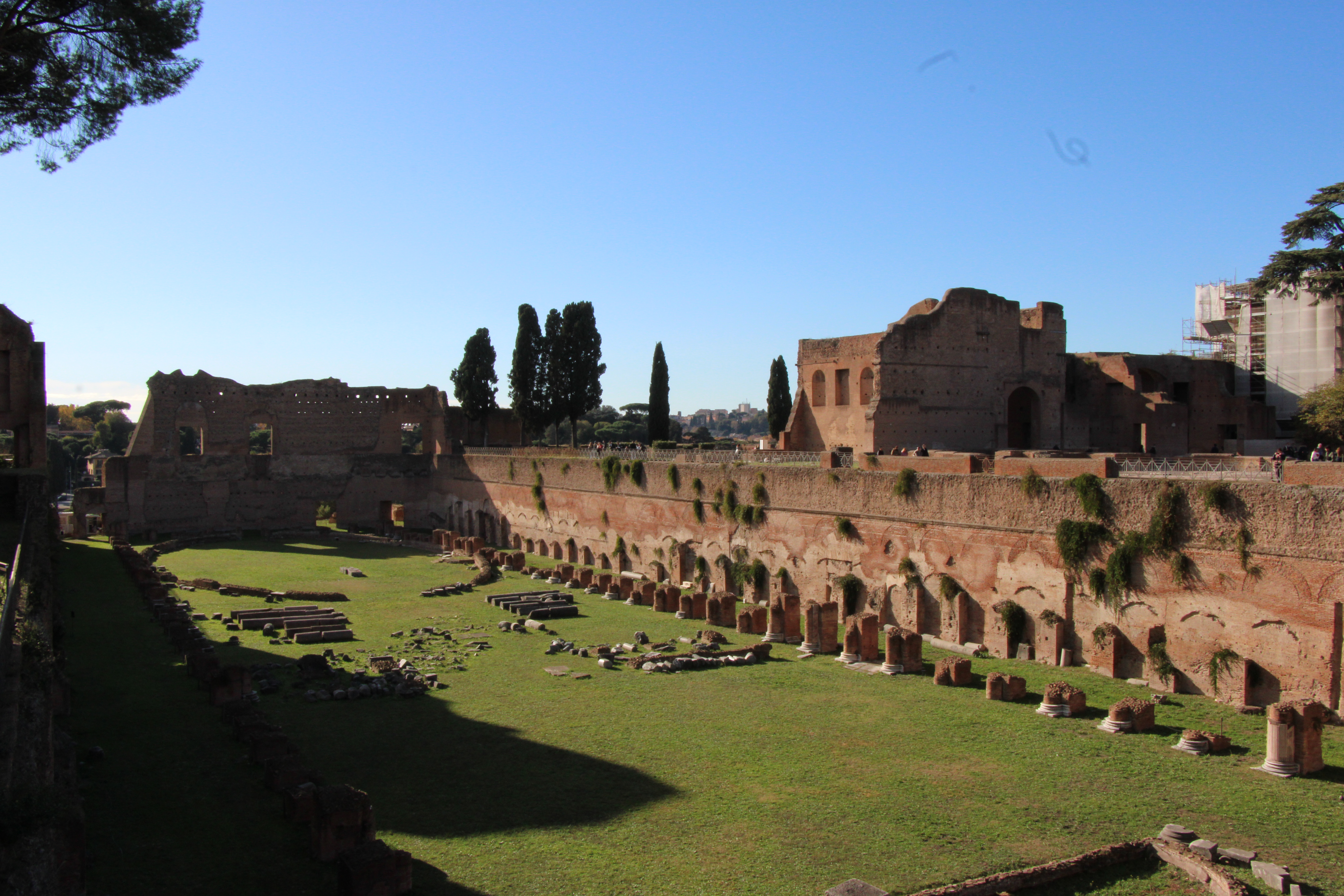
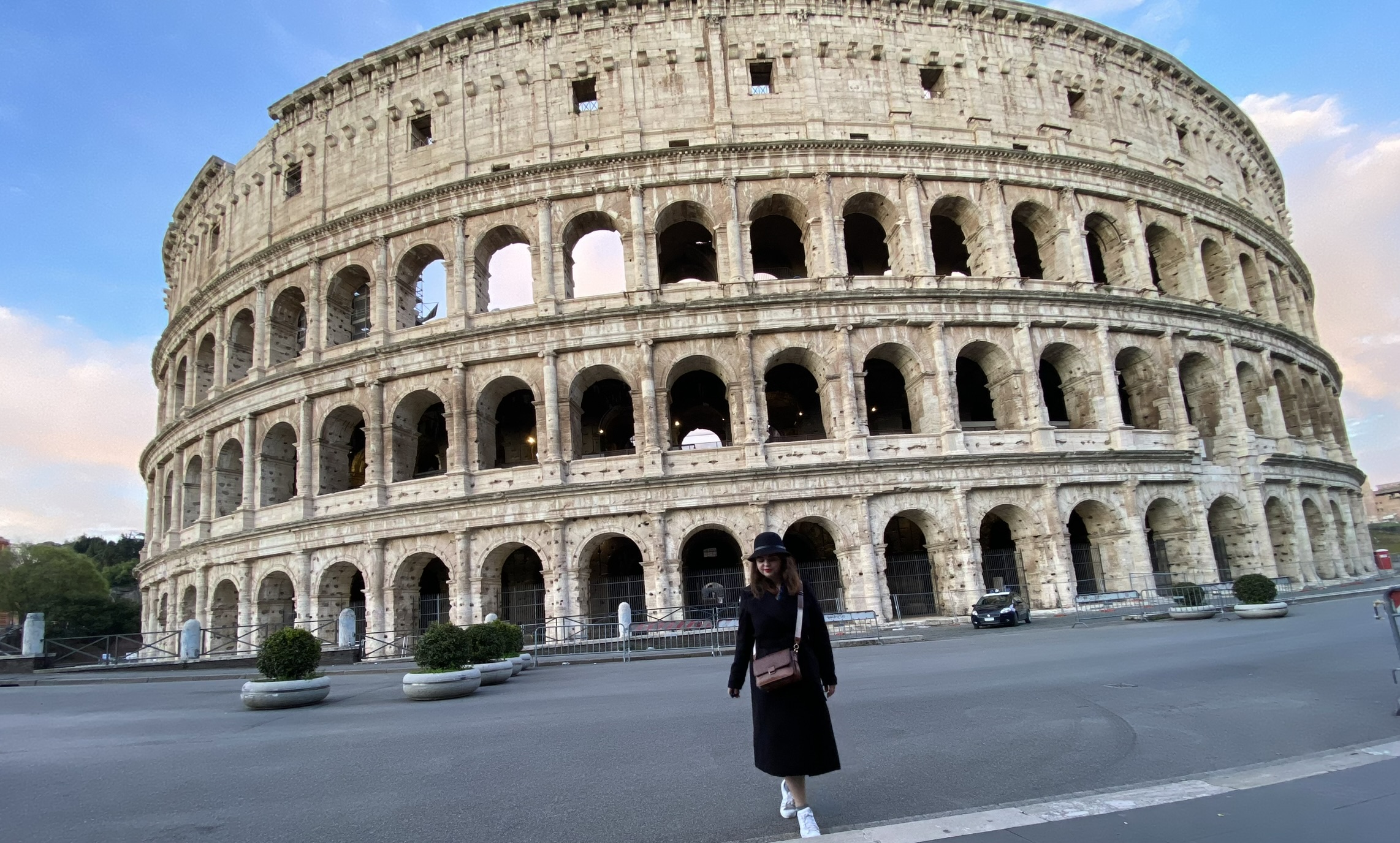
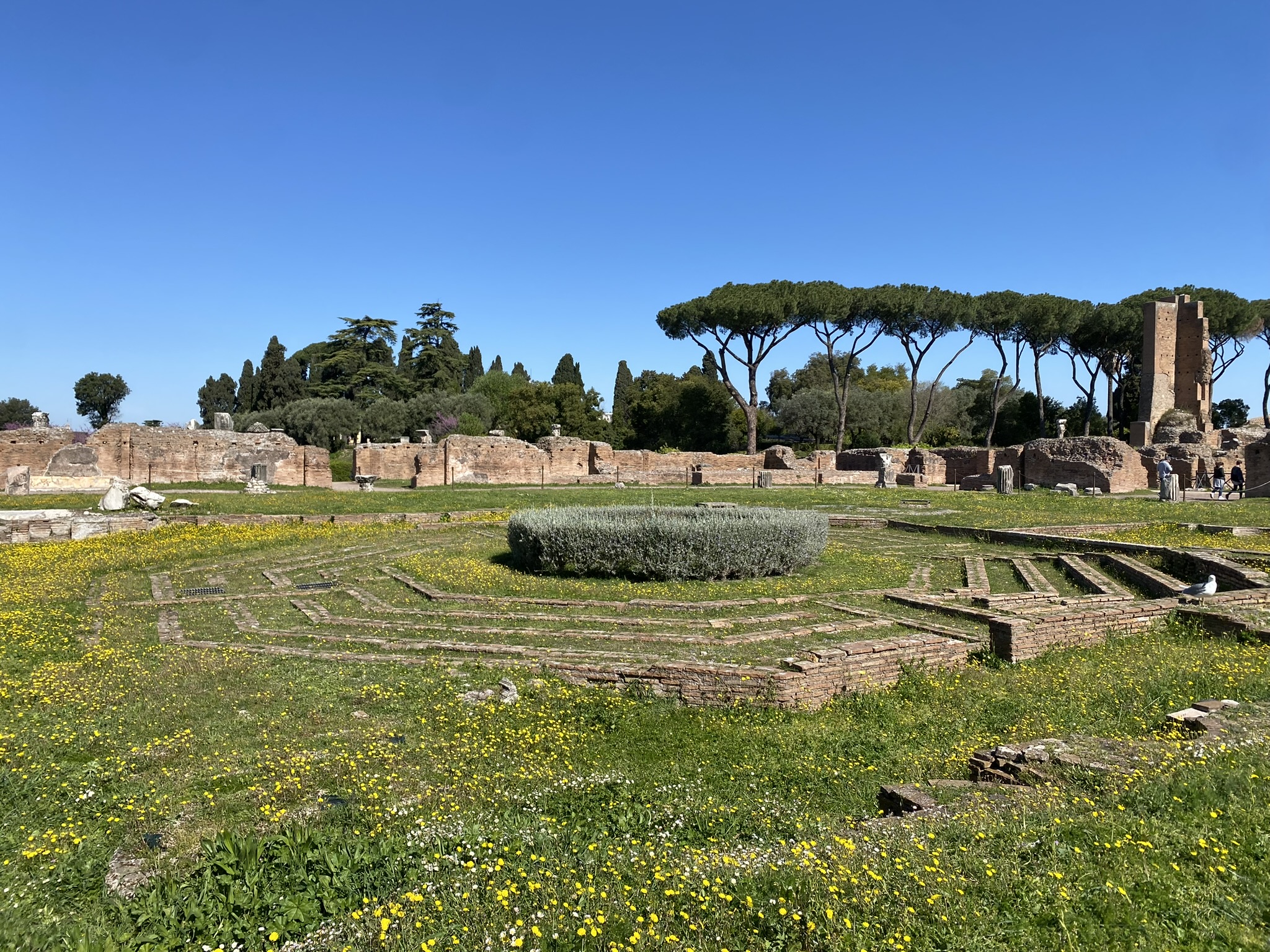
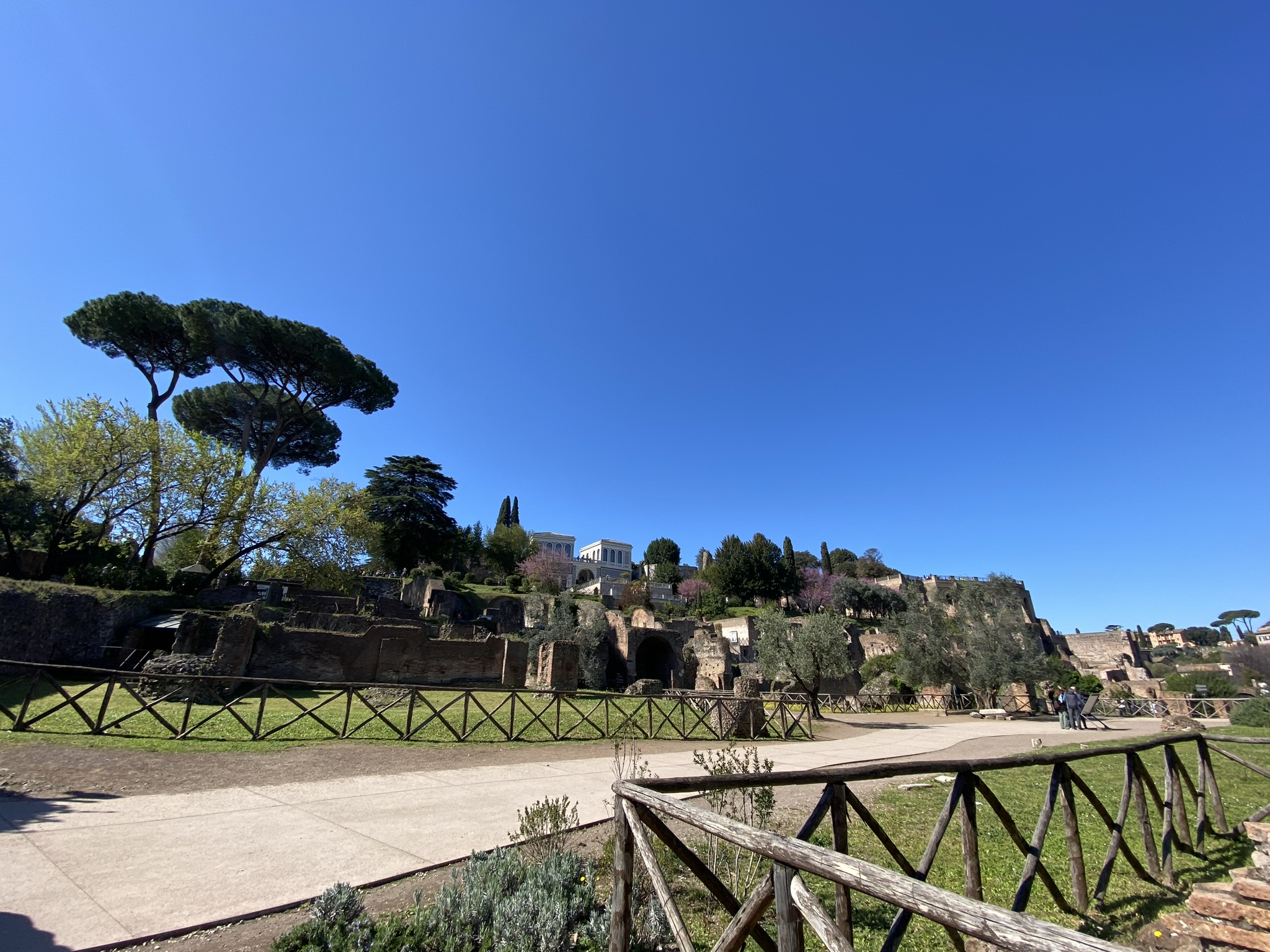
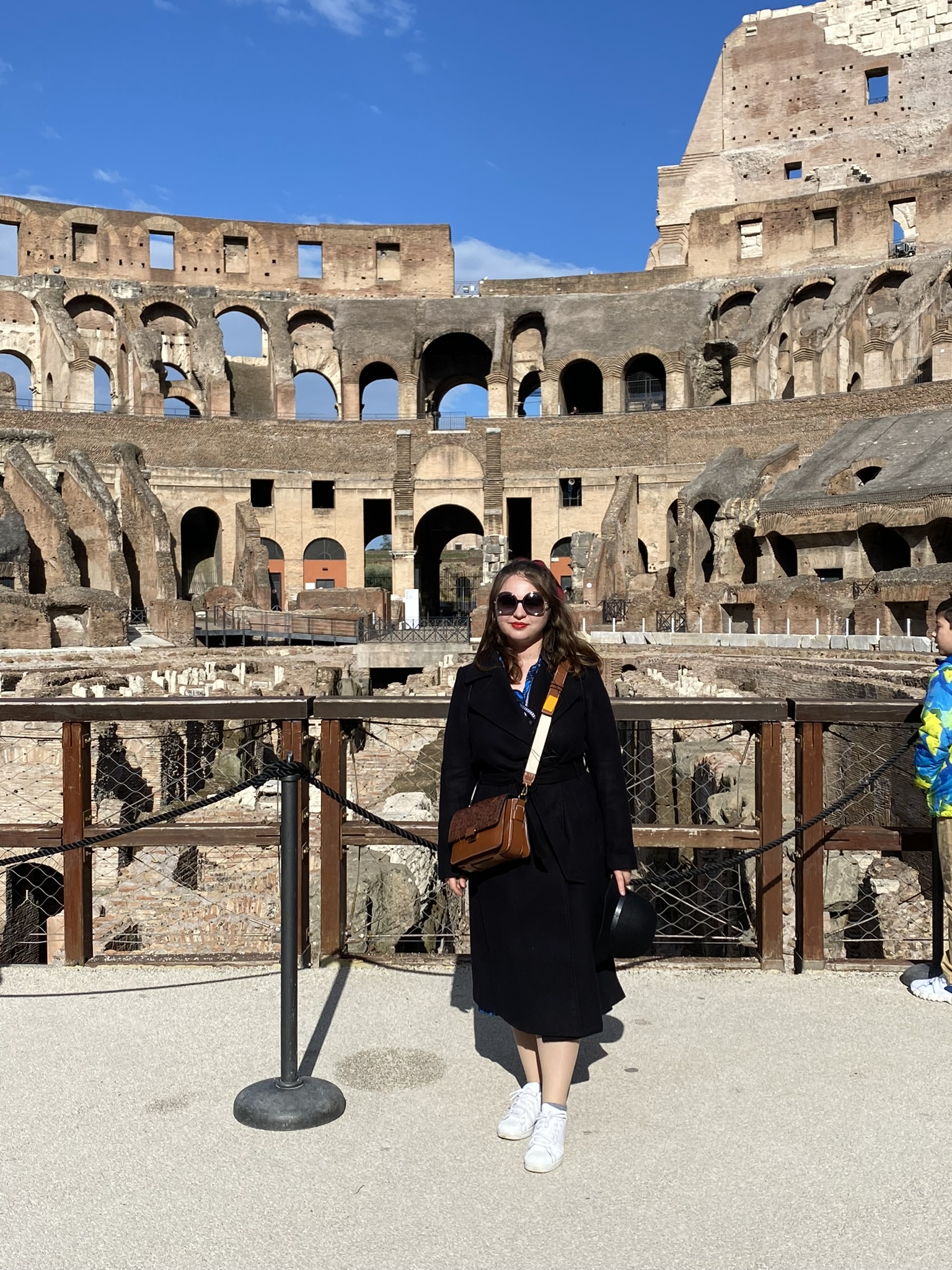
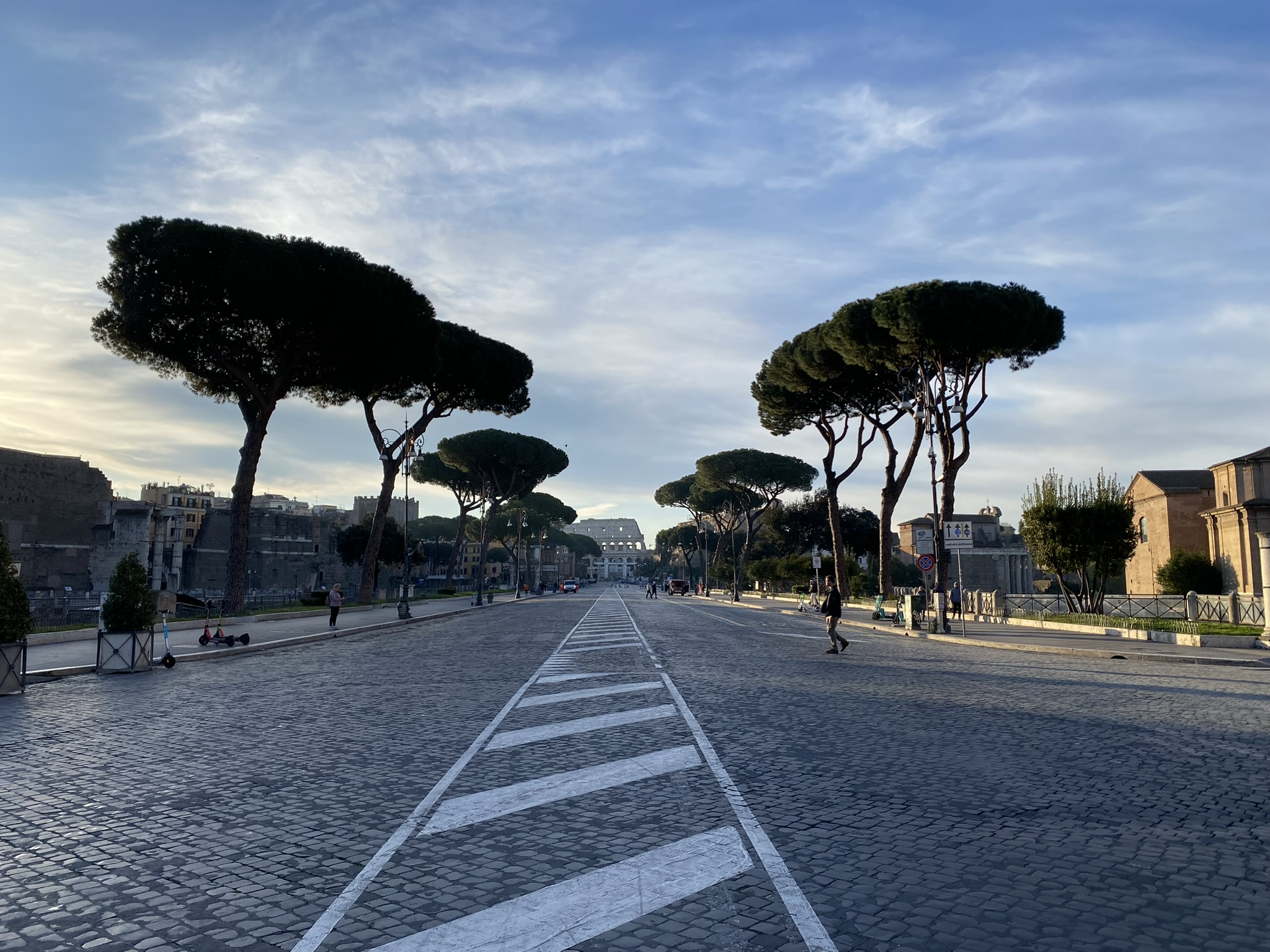
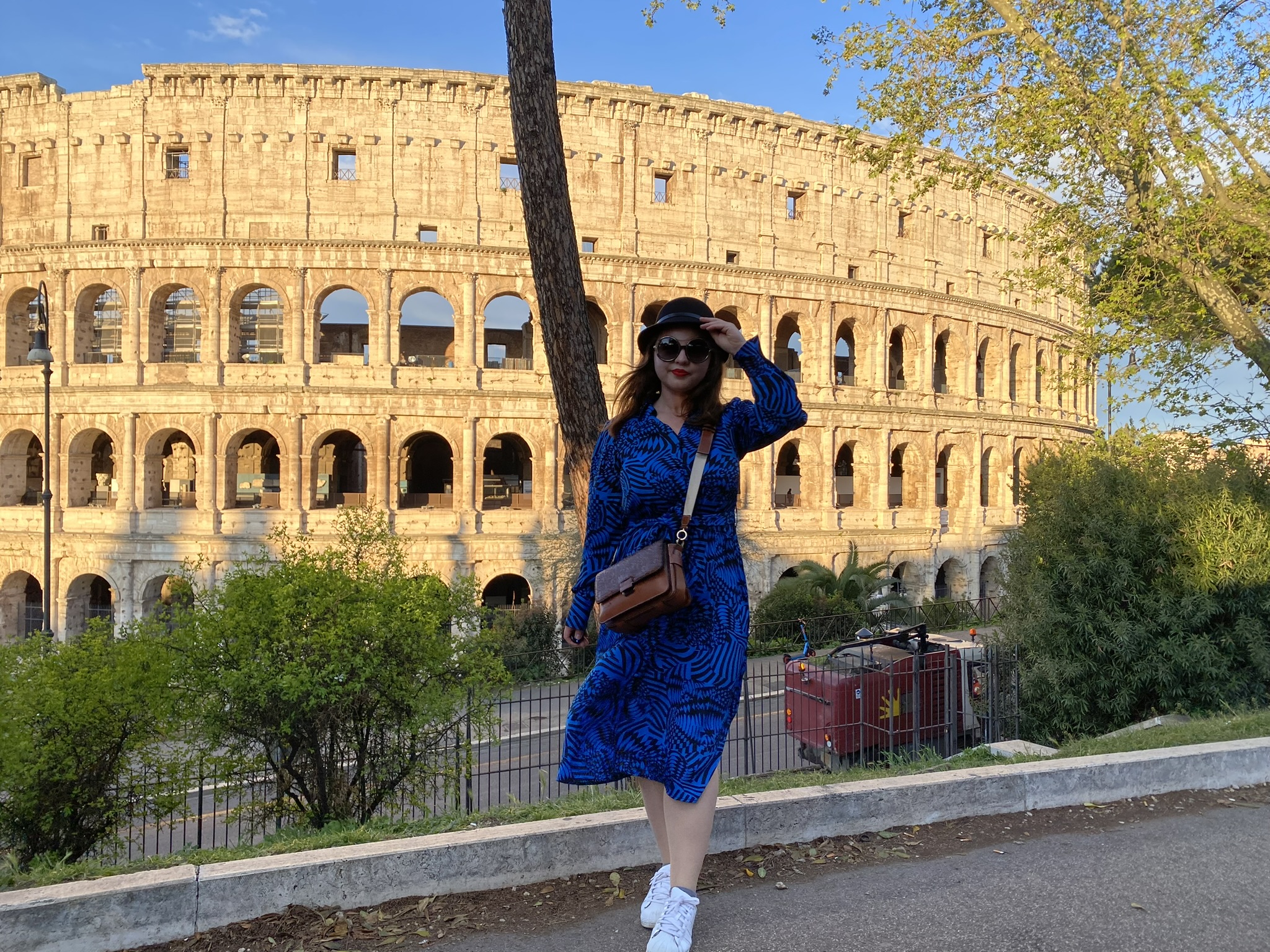
Start your day by visiting the Colosseum. Since it gets extremely crowded, I highly recommend arriving first thing in the morning. Make sure to buy your tickets in advance (links below), otherwise you may spend hours waiting in long queues. Also, make sure to be on time for the sunrise. The ticket usually includes entry to the Roman Forum and Palatine Hill, two of the most impressive archaeological sites in Rome. Plan to spend around 4 hours exploring this area, as there is so much history to discover.
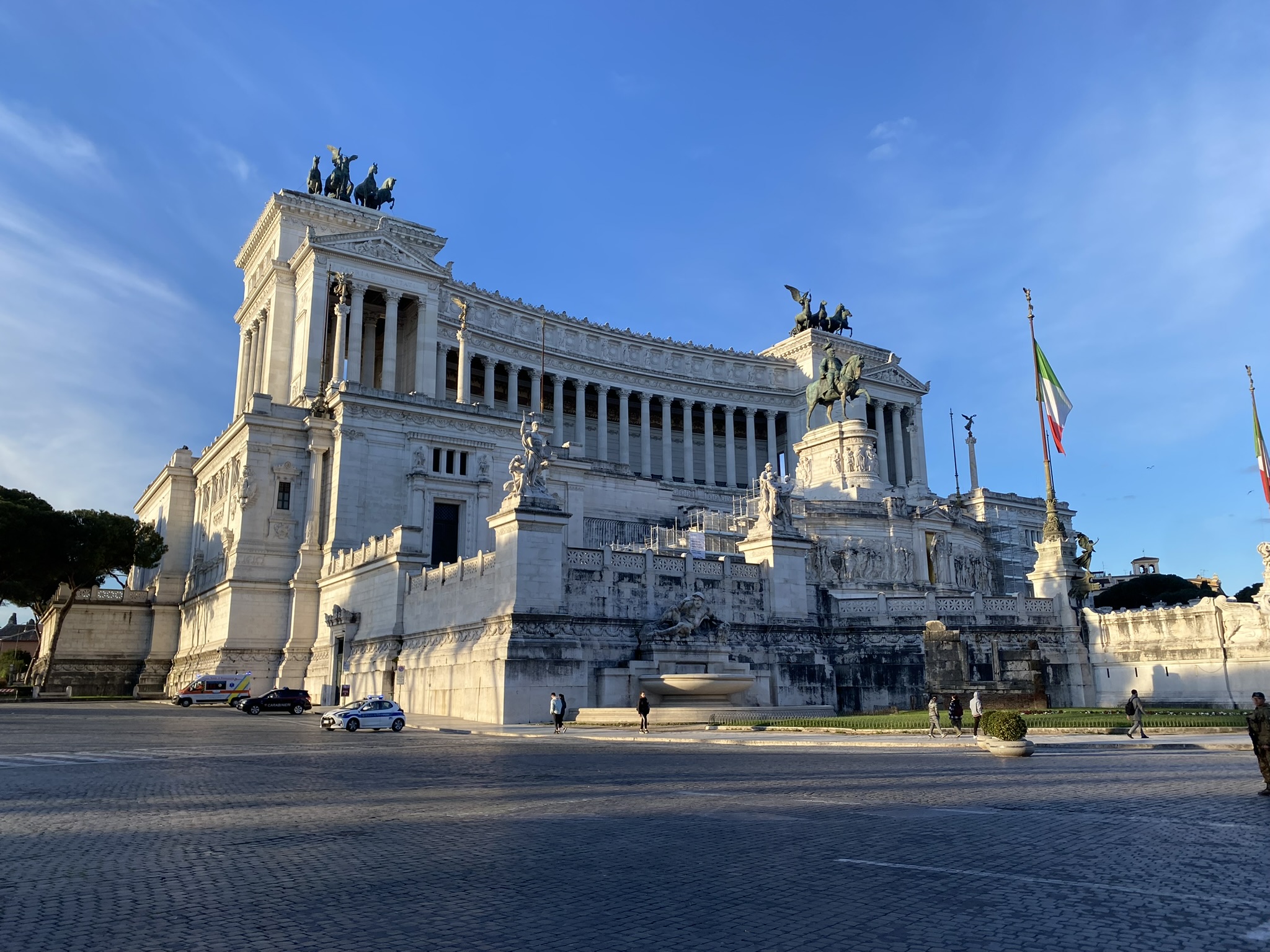
After your visit, head towards the Altar of the Fatherland (Altare della Patria), located in Piazza Venezia, and enjoy the incredible views from this iconic monument. Continue your walk to Capitoline Hill and then towards Circus Maximus, one of the largest ancient Roman entertainment venues. At this point, take a break and enjoy lunch and a drink—you've earned it after all the walking!
In the afternoon, make your way to Giardino degli Aranci (Orange Garden), one of my favorite spots in Rome for sunset. The view over the city, with St. Peter's Basilica in the distance, is truly unforgettable. After sunset, take a walk around Aventine Hill and explore one of Rome's most peaceful and charming areas.
Day 3: Vatican, Hidden Corners & Evening in Trastevere
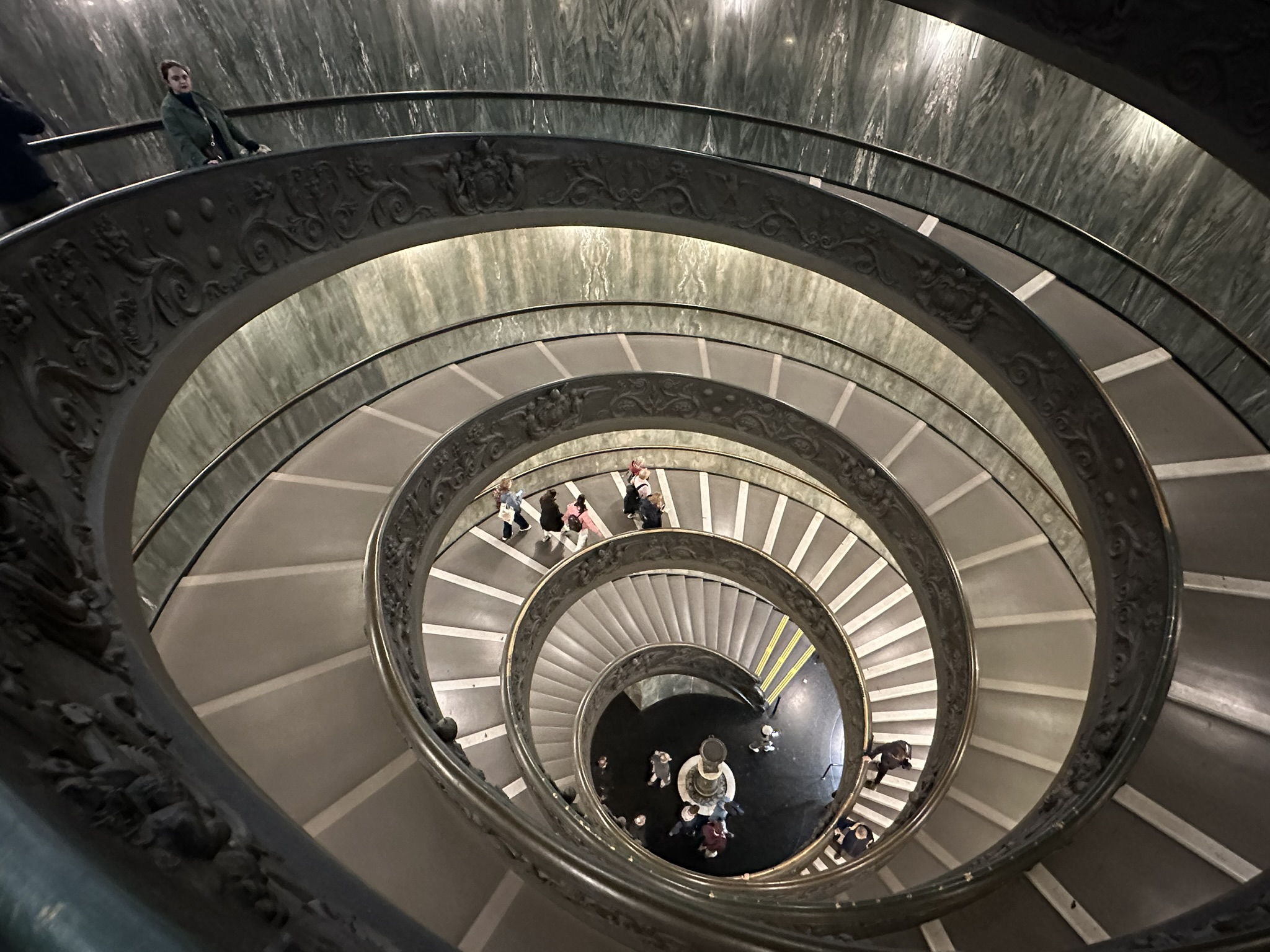
Start your day at Campo de' Fiori, one of Rome's most lively squares, especially known for its morning market and charming surroundings. From there, continue towards Vatican City. I highly recommend booking your tickets for the Vatican Museums and the Sistine Chapel in advance (link below), as queues can be extremely long, especially during peak season. Keep in mind that the Vatican Museums are huge, with thousands of artworks and historical collections to explore. A visit usually takes around 2–3 hours, but if you want to take your time and truly appreciate the masterpieces, you can easily spend even longer. The visit ends with the breathtaking Sistine Chapel, one of the most famous artistic achievements in the world.
After visiting the Vatican, walk towards Castel Sant'Angelo, one of Rome's most fascinating landmarks, and then continue to St. Peter's Basilica. If you have the time and energy, don't miss climbing to the Dome of St. Peter's for one of the most beautiful views over Rome. End your day in Trastevere, one of my favorite neighborhoods in Rome. Wander through its charming streets, enjoy authentic Roman food, and experience the lively atmosphere that makes this area magical, especially in the evening.
Online Booking Links for Attractions & Museums
Colosseum + Roman Forum + Palatine Hill: https://colosseo-roma.it/ (it is usually recommended to check exactly 1 to 2 months in advance, however check regularly) Vatican museum + Sistine Chapel: https://www.museivaticani.va/ (it is usually recommended to check exactly 1 month in advance, however check regularly) There is no need to book for Basilica, you just need to be in row as early as possible. Pantheon: https://pantheonrometicket.com
Rome Transportation Guide
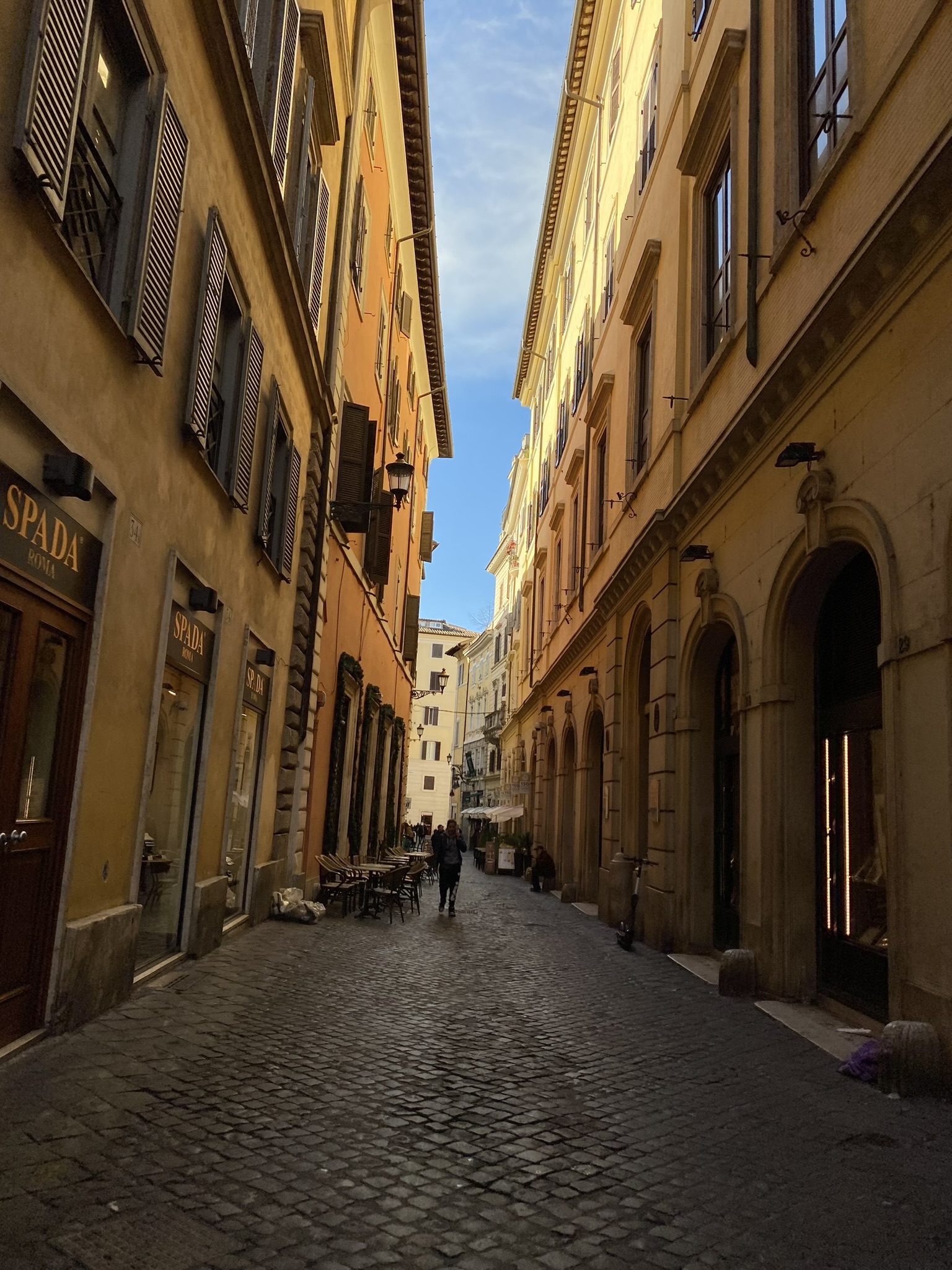
Walk! This is the best way to experience Rome. Most of the historic center is easy to explore on foot, and you will discover beautiful streets and hidden corners along the way. I recommend using Google Maps or Maps.me to create your own routes and save maps offline. Buses, trams, and the metro are also good options, especially when visiting places that are further away. Depending on how many days you are staying and how many attractions you plan to visit, consider buying the Roma Pass. It includes public transport and offers discounts or free entry to selected museums and archaeological sites.